Why Can't I Relax, Even When Everything Is Done?

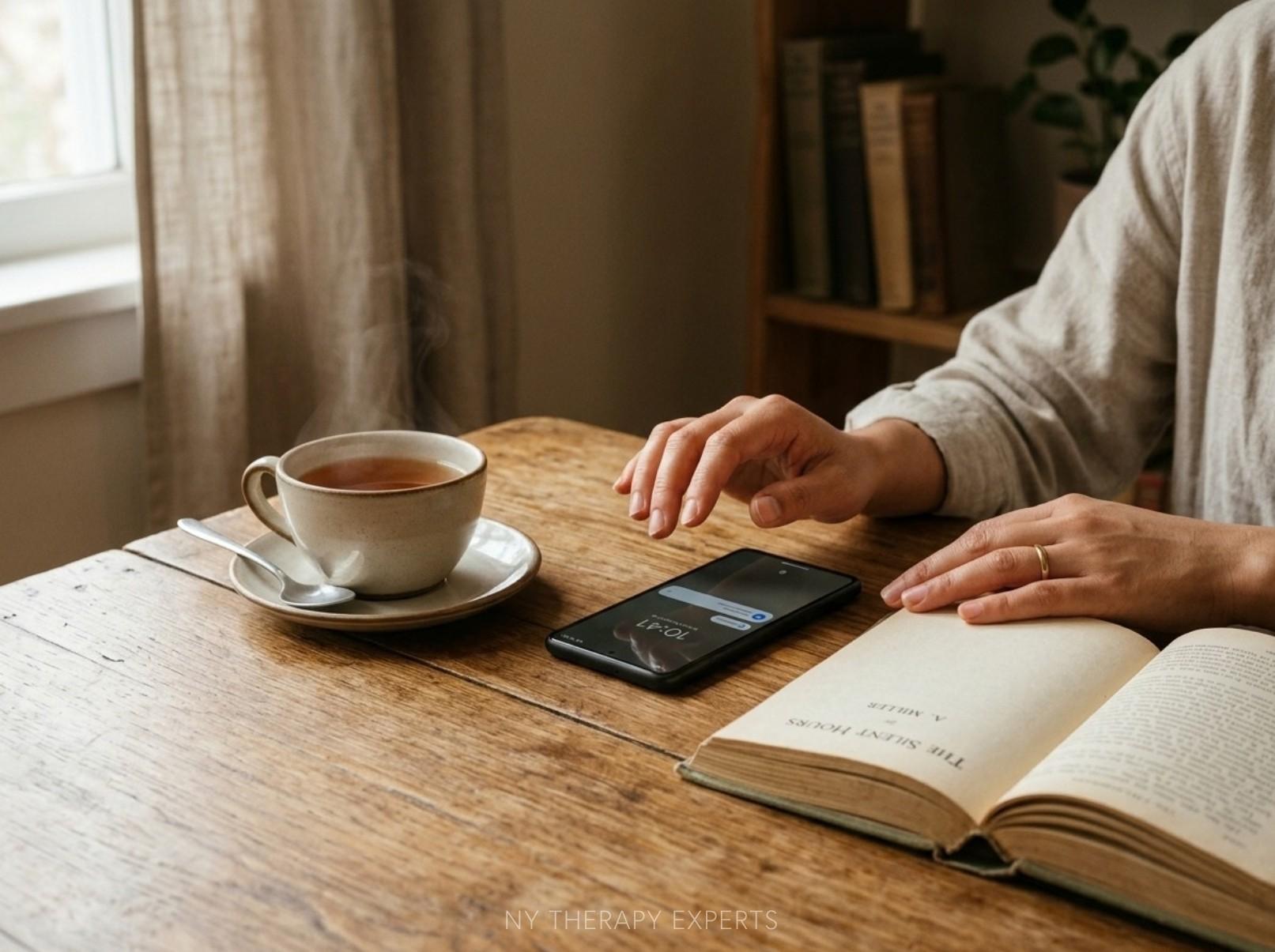
The inbox is cleared. The apartment is finally quiet. There is nothing urgent left on the list. And yet, instead of relief, something else shows up: a low hum of restlessness, a tightness in your chest, an urge to pick up your phone or start planning tomorrow.
If you have ever asked yourself why can’t I relax when you finally have the time, you are far from alone. For many thoughtful, capable people, quiet moments don’t feel restful. That’s when the uneasiness starts.
This isn’t a personal failing. Once you understand where it comes from, it usually makes a lot of sense.
Why Can’t I Relax When There’s Nothing Left to Do?
The short answer is that for many people, staying busy does two jobs at once. It gets things done, and it keeps certain feelings at a comfortable distance.
When the day is full, there is little room for questions that don’t have easy answers. Am I happy with how my life is going? Why am I tired in a way sleep doesn’t fix? Is this what I actually want? Busyness keeps those questions politely in the background.
When the busyness stops, they come forward. The discomfort you feel in quiet moments is often not about the quiet itself. It’s about what the quiet makes room for.
What It Feels Like When You Can’t Switch Off
Restlessness in stillness shows up in different ways. People describe:
- Reaching for their phone without deciding to
- Feeling guilty on a free Saturday, as if they should be doing something
- Only starting to enjoy a vacation on the last day or two
- A mind that runs through tomorrow’s tasks as soon as their head hits the pillow
- Feeling oddly flat or low on weekends, even after a good week
These experiences are real, and they can be draining. Over time, this kind of stress can make rest feel like something you have to earn, and never quite manage to.
Where Does This Pattern Come From?
Most of us learned how we relate to rest long before we had any say in it.
Some people grew up in homes where being productive was how you showed you were responsible, or how you earned approval. You did well in school, helped out, stayed out of trouble, and were the “easy” one. Over time, being useful and being worthy can start to feel like the same thing.
For many children of immigrants, this runs especially deep. Parents may have sacrificed a great deal to build a life in a new country, and rest can carry a quiet guilt: They worked so hard, so how can I sit still? Messages like “don’t waste time” or “you can rest when you’re done” are often said with love, and they stay with us. Many people who came to the U.S. as international students and built careers here feel something similar. Proving yourself felt essential, not optional.
Others learned that slowing down meant feeling things that were hard to feel, with no one really available to help. Staying busy became a sensible way to cope.
None of these adaptations are flaws. They usually helped people succeed, stay steady, and take care of others. The difficulty is that what helped you succeed may not be what helps you feel at ease.
How It Shows Up in Work and Relationships
For high-achieving professionals, constant motion is often rewarded. Being responsive and reliable, always one step ahead, tends to look like excellence. So it can be hard to notice when the pace has stopped being a choice.
Over time, not being able to slow down can feed into burnout and chronic stress, along with a sense that no achievement ever quite lands. You reach the goal, and the relief lasts about a day before the next goal appears.
It can affect relationships too. Partners may sense that you are physically present but mentally somewhere else. Downtime together can feel unproductive or uncomfortable. Conversations about feelings may quietly turn into conversations about logistics, plans, and problems to solve. That isn’t because you don’t care. It’s because staying in motion feels safer than staying still.
How to Relieve Stress When Rest Doesn’t Feel Restful
Most advice on how to relieve stress asks you to add something: a workout, a meditation app, a better morning routine. Those can help. But if your stress is partly driven by never stopping, adding one more thing to do can quietly become part of the problem.
Sometimes relief starts with the opposite: letting the space stay empty for a little while.
When discomfort shows up, the instinct is to fill the space again: work, scroll, plan, tidy, or find the next thing to do. But what if, just for a few minutes, you didn’t?
Learning to stay with yourself in quieter moments can be surprisingly revealing. Without constant demands competing for your attention, you may begin to notice:
- What you’ve been feeling but haven’t had room to feel
- What you actually want, as opposed to what you think you should want
- What no longer feels right in your work, relationships, or routines
- What you’ve been quietly longing for
You don’t need to have answers right away, and you don’t need to fix anything. Sometimes, simply sitting with yourself without doing, solving, or distracting is how you begin to hear yourself more clearly.
Gentle Stress Management Techniques for Quiet Moments
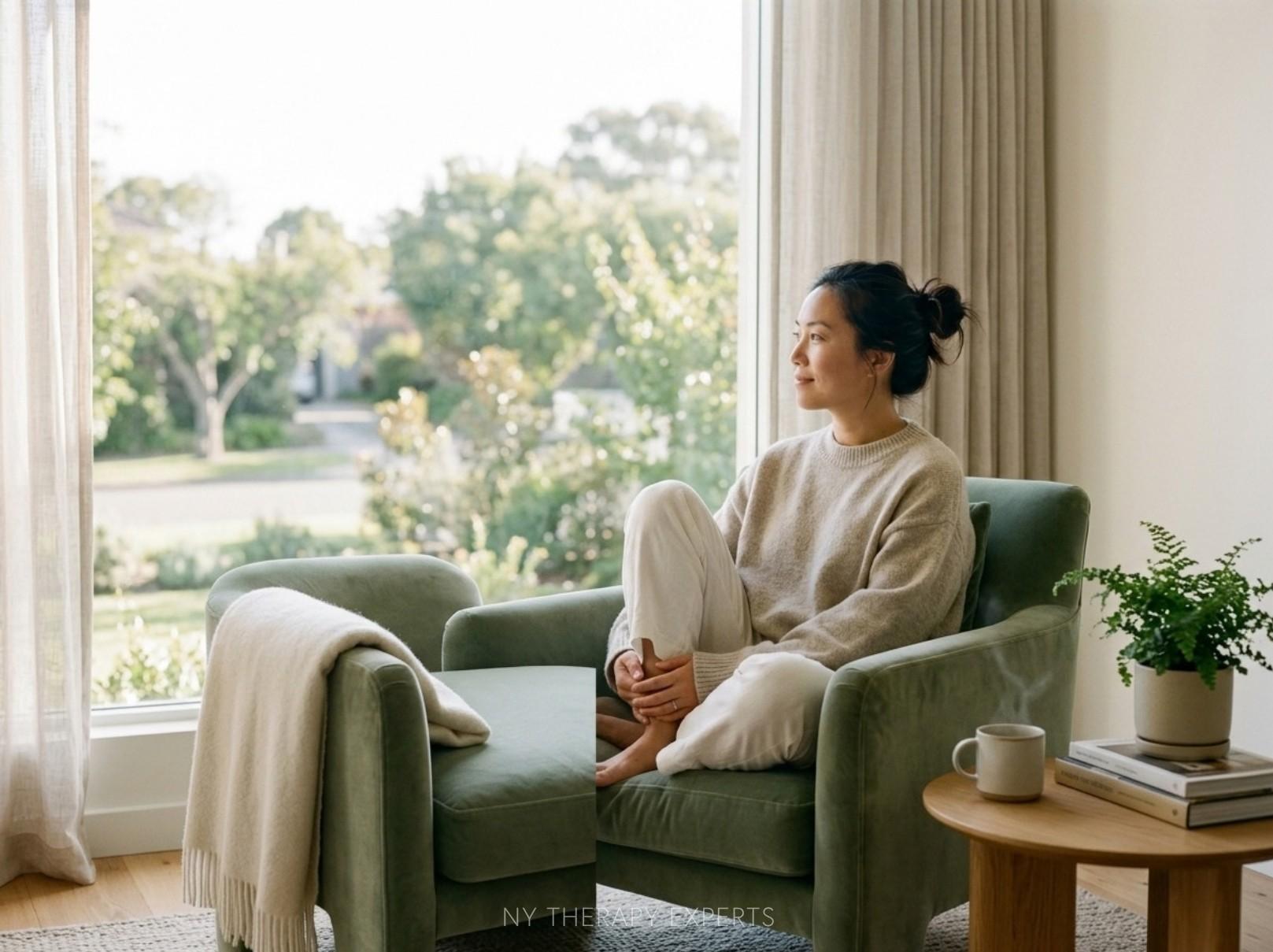
Many stress management techniques work best when they’re approached with curiosity rather than as another task to get right. If you’ve been wondering why can’t I relax, a few gentle ways to start:
Start small.
Five minutes with a cup of tea and no phone is enough.
Notice without judging.
If restlessness comes up, you might simply tell yourself: This is uncomfortable, and that’s okay.
Let your body settle first.
A few slower breaths, or simply feeling your feet on the floor, can tell your nervous system it’s safe to slow down.
Get curious.
Instead of asking “How do I make this feeling go away?”, try asking “What is this feeling about?”
If this feels hard at first, that’s understandable. It’s a new skill, and you’re learning it after many years of practicing the opposite.
How Therapy Can Help You Slow Down
For some people, quiet moments bring up more than mild restlessness. Old feelings, anxiety, or a sense of emptiness can surface, and that can feel like a lot to sort through alone.
Therapy offers a steady space to do that work with support. It isn’t about doing less or caring less about your goals. It’s about understanding why slowing down feels so difficult, and what has been waiting beneath the busyness.
In therapy, you might explore:
- Where your relationship with productivity and rest began
- How family and cultural expectations shaped your sense of worth
- What you’re actually feeling when you can’t relax, and what it might be telling you
- How to build a life where rest feels allowed, not earned
At NY Therapy Experts, we work with professionals, students, and bicultural individuals who look successful from the outside but still find it hard to slow down. Many of them have been asking themselves why can’t I relax for years. The goal is both relief from the constant pressure and a deeper understanding of yourself, so that the change actually lasts.
Frequently Asked Questions
Why can’t I relax even when I have free time?
Often it’s because busyness has been helping to keep difficult feelings or unanswered questions at a distance. When the busyness stops, those feelings surface. Restlessness is the mind’s way of trying to get back to doing.
Is it normal to feel anxious when I’m not busy?
Yes, it’s very common, especially among high-achieving people and those raised with strong messages about productivity. It isn’t a sign that something is wrong with you. It’s a pattern that can be understood and gently changed.
Why do I feel guilty when I rest?
For many people, rest wasn’t fully allowed growing up, or their sense of worth became tied to being useful. Guilt around rest is often an old message still playing. It doesn’t reflect what you actually deserve.
Can therapy help if I can’t relax?
Yes. Therapy can help you understand where the pattern comes from and ease the anxiety that comes with stillness, so that rest starts to feel more comfortable.
You don’t have to figure this out on your own. If you keep asking yourself why can’t I relax and would like a space to explore it, we’d love to hear from you. Whether you’re ready to get started or just have a few questions first, there’s no pressure.
You can reach out through our contact page or send us a message on WhatsApp, whichever feels easier.
NY Therapy Experts provides psychotherapy for individuals and couples in New York. We specialize in working with high-achieving professionals, immigrants, bicultural individuals, and others navigating the complexities of relationships, identity, and personal growth.