Time Management Tips to Improve Focus, Productivity, and Work-Life Balance

Time often feels like the one resource we never have enough of. For high-achieving professionals, the pressure to stay productive, responsive, and efficient can quickly turn into a constant sense of urgency. This is where effective time management tips become essential—not as a way to do more, but as a way to create clarity and reduce overwhelm. Deadlines stack up, responsibilities expand, and even moments of rest can begin to feel undeserved.
Learning effective time management is not about squeezing more tasks into your day. It is about creating a structure that allows you to work with focus, reduce unnecessary stress, and maintain consistent performance over time.
As a therapist, I often work with individuals who feel overwhelmed not because they lack discipline, but because they are trying to do too much without a sustainable system. The issue is rarely time itself—it is how that time is organized, prioritized, and protected.
Why Time Feels So Limited
Many people approach their day reactively. Emails, messages, and unexpected requests interrupt planned work, making it difficult to maintain focus. Over time, this creates a pattern where important tasks are constantly delayed while urgent but less meaningful tasks take priority.
Another common factor is internal pressure. High standards, perfectionism, and fear of falling behind can lead individuals to overcommit. When everything feels equally important, decision-making becomes harder and time feels increasingly scarce.
Understanding why is time management important goes beyond productivity. It directly impacts mental clarity, stress levels, and overall well-being. Without structure, even highly capable individuals can feel disorganized and overwhelmed.
Building a More Intentional Approach
Effective time management begins with clarity. Before adjusting schedules or tools, it helps to understand where your time is currently going. Many professionals are surprised to discover how much time is spent on low-priority tasks or constant context-switching.
Creating a more intentional approach involves:
- Identifying your most important priorities for the day
- Recognizing which tasks require deep focus
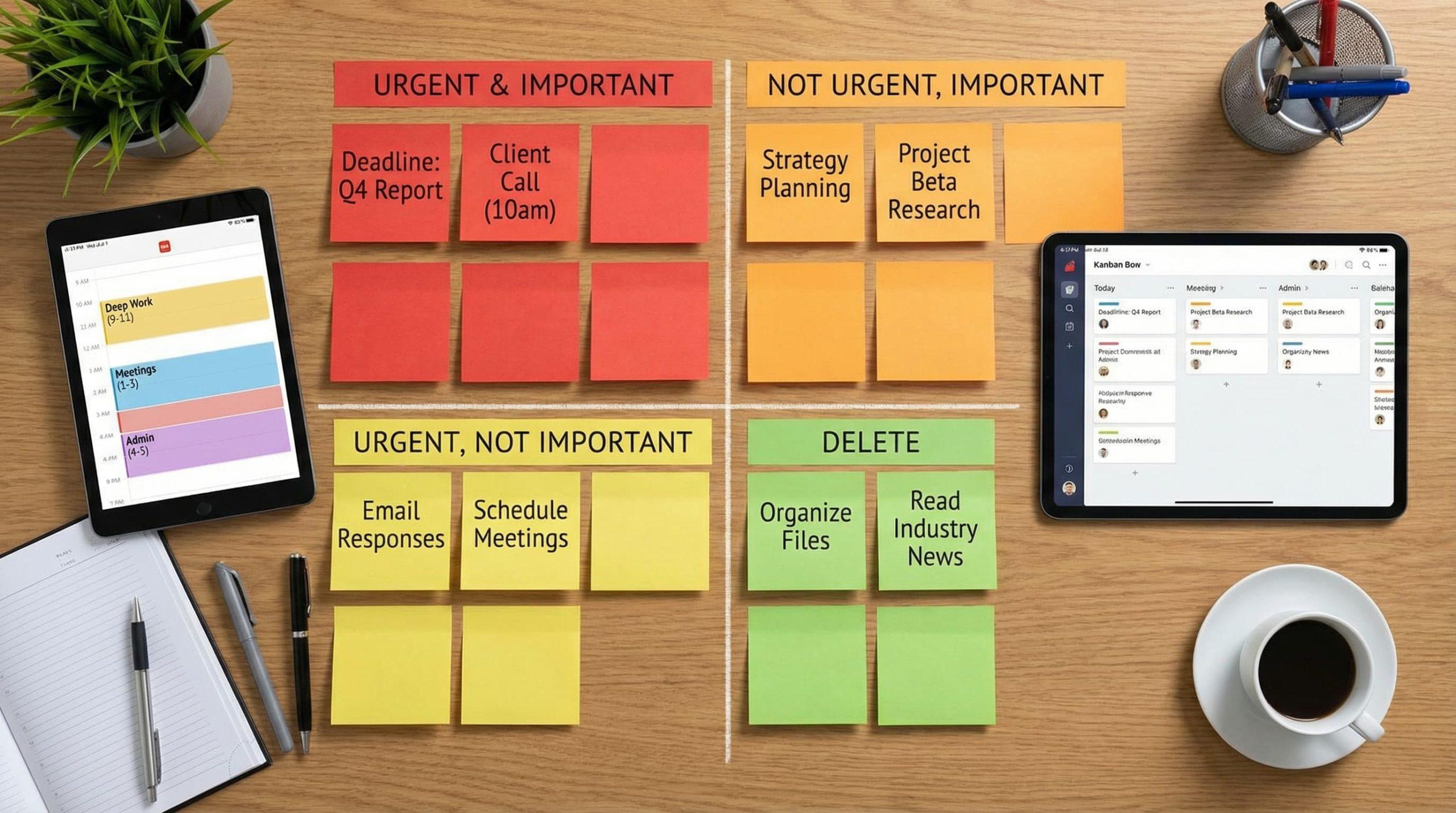
- Separating urgent tasks from meaningful ones
- Setting realistic expectations for what can be completed
These small shifts allow you to move from reacting to your schedule to actively shaping it. Over time, this creates a greater sense of control and reduces the mental load associated with constant decision-making.
Time Management Tips That Actually Work
Many productivity systems promise quick results, but sustainable change usually comes from simple, consistent habits. Practical time management tips often focus on reducing friction and improving focus rather than increasing effort.
Some effective approaches include:
Time blocking
Scheduling specific periods for focused work helps protect attention and reduce distractions.
Task prioritization
Identifying one or two key tasks each day ensures that meaningful work is completed even when the day becomes busy.
Limiting multitasking
Switching between tasks frequently reduces efficiency and increases mental fatigue. Focusing on one task at a time improves both quality and speed.
Creating transitions
Building short breaks between tasks helps your mind reset and improves overall concentration.
These strategies are most effective when applied consistently rather than all at once. Small improvements in structure can lead to significant changes in how your day feels.
The Role of Energy, Not Just Time
One common misconception is that productivity is purely about time. In reality, energy plays an equally important role. Working during periods of low focus or fatigue often leads to slower progress and increased frustration.
Aligning tasks with your natural energy levels can make a noticeable difference. For example:
- Schedule deep work during your most focused hours
- Reserve routine tasks for lower-energy periods
- Avoid overloading your schedule without breaks
These adjustments support more efficient work without requiring additional time. Many time management strategies overlook this connection, focusing only on schedules rather than the human capacity behind them.
Managing Distractions and Boundaries
Modern work environments are filled with distractions. Notifications, messages, and constant communication can make sustained focus difficult. Without clear boundaries, these interruptions quickly consume large portions of the day.
Protecting your time may involve:
- Turning off non-essential notifications
- Setting specific times for checking emails
- Communicating availability clearly to colleagues
- Creating uninterrupted blocks for focused work
Boundaries are not about limiting productivity—they are about protecting it. When distractions are reduced, work becomes more efficient and less stressful.

Letting Go of Perfectionism
Perfectionism is one of the most overlooked barriers to effective time management. Spending excessive time refining details or overthinking decisions can significantly reduce efficiency.
High-quality work does not require perfection. In many cases, progress is more valuable than flawless execution. Learning to recognize when a task is “good enough” allows you to move forward without unnecessary delay.
This shift can feel uncomfortable at first, especially for individuals who are used to high standards. However, it often leads to greater productivity and reduced stress over time.
Creating Sustainable Systems
Effective time management is not about short-term productivity boosts. It is about creating systems that support long-term consistency.
This may include:
- Establishing a daily planning routine
- Reviewing priorities at the start and end of each day
- Adjusting workload based on capacity
- Building in regular periods of rest
Sustainable systems reduce decision fatigue and create a sense of stability. When your schedule supports your goals rather than working against them, productivity becomes more natural and less forced.
When Time Management Feels Difficult
There are times when managing time feels unusually challenging. Procrastination, difficulty focusing, or constant overwhelm may indicate deeper factors such as stress, burnout, or mental fatigue.
In these situations, improving time management alone may not be enough. Addressing underlying stress and emotional strain can significantly improve both focus and productivity.
Seeking support can help clarify what is contributing to these challenges. Therapy provides a structured space to explore patterns, reduce overwhelm, and develop practical approaches that align with your individual needs.
Final Thoughts
Time is limited, but how you use it can change significantly. Learning effective time management tips is not about doing more—it is about doing what matters with greater clarity and intention.
When your time is aligned with your priorities, work becomes more focused, stress becomes more manageable, and your overall sense of control improves.
If you find yourself constantly overwhelmed or struggling to keep up with your responsibilities, it may be time to take a more intentional approach. You don’t have to manage everything alone. With the right structure and support, it is possible to create a way of working that is both productive and sustainable.
If you’re feeling stuck, overwhelmed, or unsure how to create a system that works for you, I invite you to reach out and schedule a consultation. Together, we can explore what’s getting in the way of your time management and build practical strategies that support both your productivity and your well-being.