How to Reduce Stress in High-Pressure Work Environments and Fast-Paced Cities
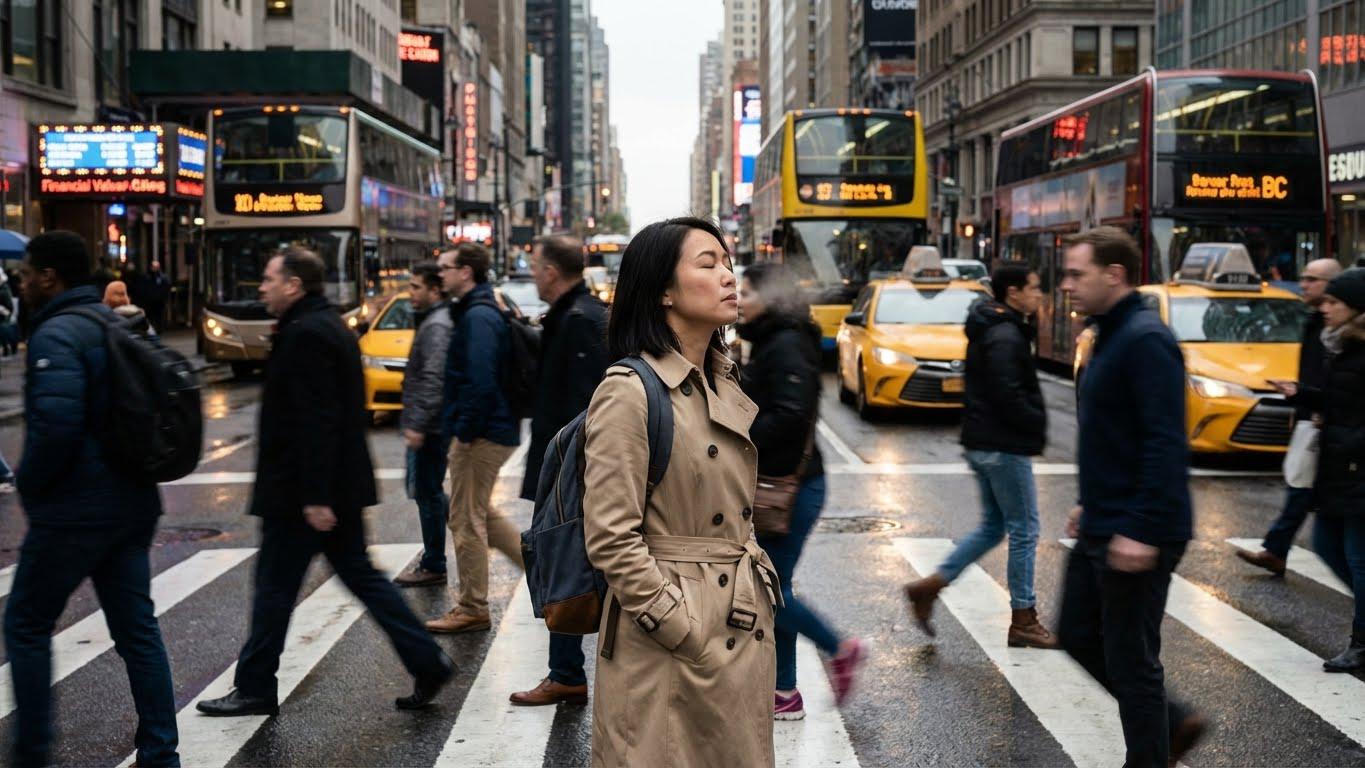
Living and working in a high-pressure city often means operating at full speed for long periods of time. Long work hours, constant digital connectivity, crowded spaces, and high expectations can slowly wear down even the most resilient people. Learning how to reduce stress in these environments is not about lowering ambition—it’s about creating sustainability, balance, and long-term well-being.
As a therapist, I often work with professionals who appear outwardly successful yet feel chronically tense, exhausted, or emotionally detached. Many assume that pressure is simply “part of the lifestyle” in competitive cities and demanding careers. Over time, this normalization can make it harder to recognize when stress has crossed into something harmful.
Why High-Pressure Environments Intensify Stress
High-pressure workplaces and fast-paced cities often reward productivity, speed, and constant availability. While these qualities can support achievement, they also keep the nervous system in a prolonged state of alert. Noise, deadlines, performance evaluations, and social comparison all contribute to ongoing mental strain.
In these environments, rest is often postponed or minimized. People push through fatigue, dismiss emotional discomfort, or ignore physical signals until stress becomes inevitable. Understanding the environmental impact on your nervous system is a critical step toward protecting your mental health.
When Stress Becomes a Warning Sign
Not all stress is harmful. Short-term stress can increase focus and motivation. The concern arises when stress becomes chronic and recovery is limited. Over time, this can lead to emotional exhaustion, irritability, difficulty concentrating, or a sense of disconnection from work and relationships.
Many individuals only seek support after noticing clear burnout symptoms, such as persistent fatigue, loss of motivation, emotional numbness, or dread surrounding work. These are not signs of weakness—they are signals that the body and mind have been under sustained pressure.
How to Reduce Stress Without Leaving Your Career or City
Reducing stress does not require quitting your job or leaving your city. For most people, that isn’t realistic or desirable. Instead, it involves learning how to reduce stress while remaining in demanding environments.
This often starts with small but intentional shifts: creating brief pauses between tasks, stepping outside for a few minutes during the day, or setting clearer transitions between work and personal time. Even short moments of regulation can help calm the nervous system and reduce cumulative strain.
Sustainable change comes from moving away from a reactive approach—only resting when exhausted—and toward proactive care that supports recovery before depletion sets in.

Nervous System Regulation in High-Pressure Settings
In fast-paced work environments, the nervous system is frequently activated. Over time, this can make relaxation feel unfamiliar or even uncomfortable. Regulation practices help the body return to a calmer baseline.
Grounding exercises, paced breathing, and gentle movement can be particularly effective when stress feels constant rather than situational. Many people benefit from structured stress management techniques that are designed to fit into busy schedules rather than add another task to the day.
These practices are not about doing less—they are about allowing the body to recover so focus, creativity, and resilience can be sustained.
Boundaries as a Stress-Reduction Tool
One of the most powerful tools for protecting mental health in high-pressure environments is boundaries. Without them, work demands easily spill into personal time, leaving little room for rest.
Boundaries may include limiting after-hours communication, defining realistic workloads, or protecting time for sleep and recovery. While setting boundaries can feel uncomfortable—especially in competitive cultures—they often lead to greater clarity, respect, and emotional stability over time.
Part of stress reduction is choosing when to protect your time and energy instead of always reacting or overcommitting.
Internal Pressure and Perfectionism
External demands are only part of the picture. Many high-achieving individuals carry strong internal pressure, including perfectionism, fear of falling behind, or constant comparison to others. In fast-paced cities, these patterns are often reinforced by visible success around us.
Recovery and Rest as Essential Practices
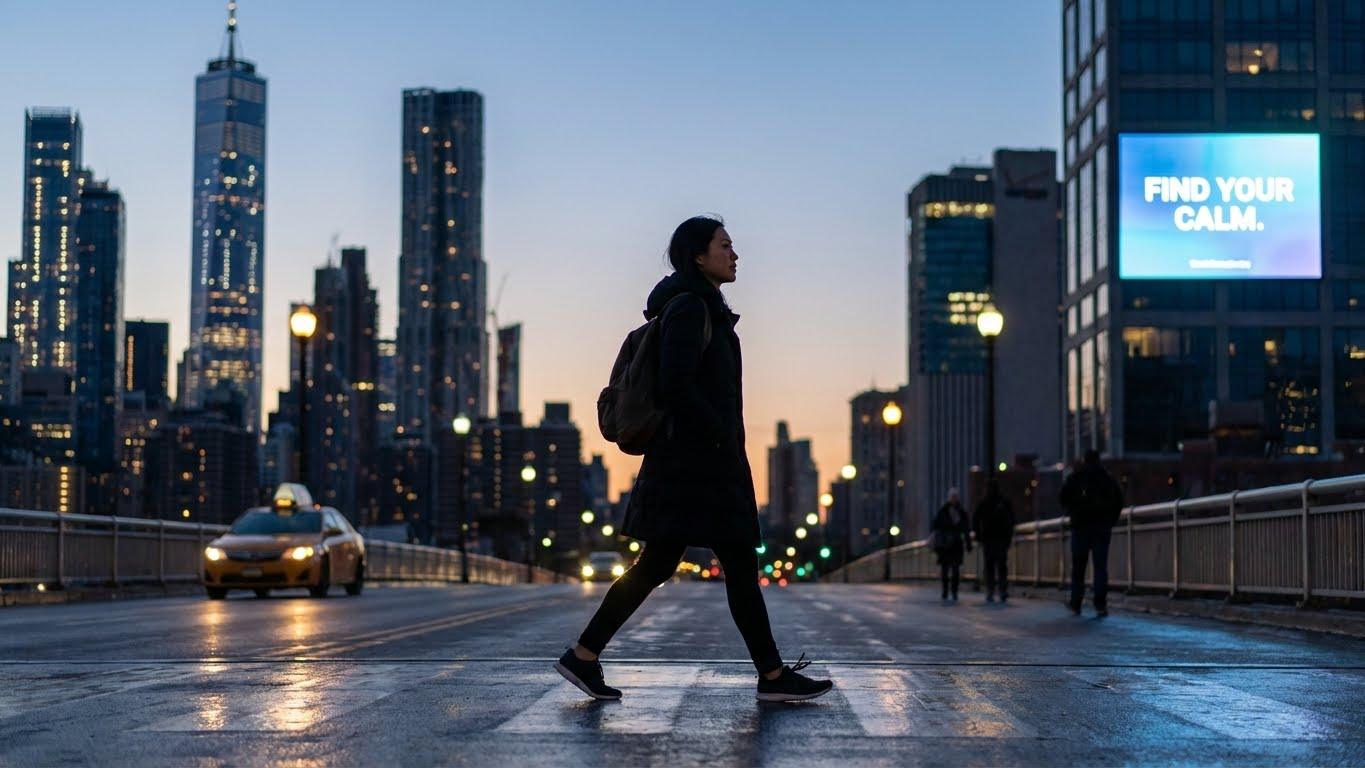
Recovery is not optional—it is a biological necessity. Without sufficient recovery, stress accumulates and resilience declines. In demanding environments, recovery often needs to be intentional and protected.
This may include prioritizing sleep, creating rituals that signal the end of the workday, or engaging in activities that provide genuine restoration rather than distraction. Sustainable well-being depends on honoring the body’s need for rest.
The Role of Connection and Support
Despite being surrounded by people, high-pressure cities can feel isolating. Many individuals feel they must handle stress alone or maintain a strong exterior at all times. Meaningful connection—with trusted peers, loved ones, or a therapist—plays a crucial role in emotional regulation.
Having a space where you don’t need to perform allows the nervous system to relax. Emotional safety and validation are powerful buffers against chronic stress.
Final Thoughts and Support
Understanding how to reduce stress in high-pressure work environments and cities is about sustainability, not escape. With awareness, boundaries, regulation skills, and support, it is possible to remain engaged in your career while protecting your mental health.
If stress has begun to feel overwhelming or difficult to manage on your own, therapy can provide a supportive space to explore what’s contributing to it and develop strategies that truly fit your life. You deserve support—not just to function under pressure, but to feel grounded and well within it.