How Do You Handle Stress? A Therapist’s Perspective on Finding Balance
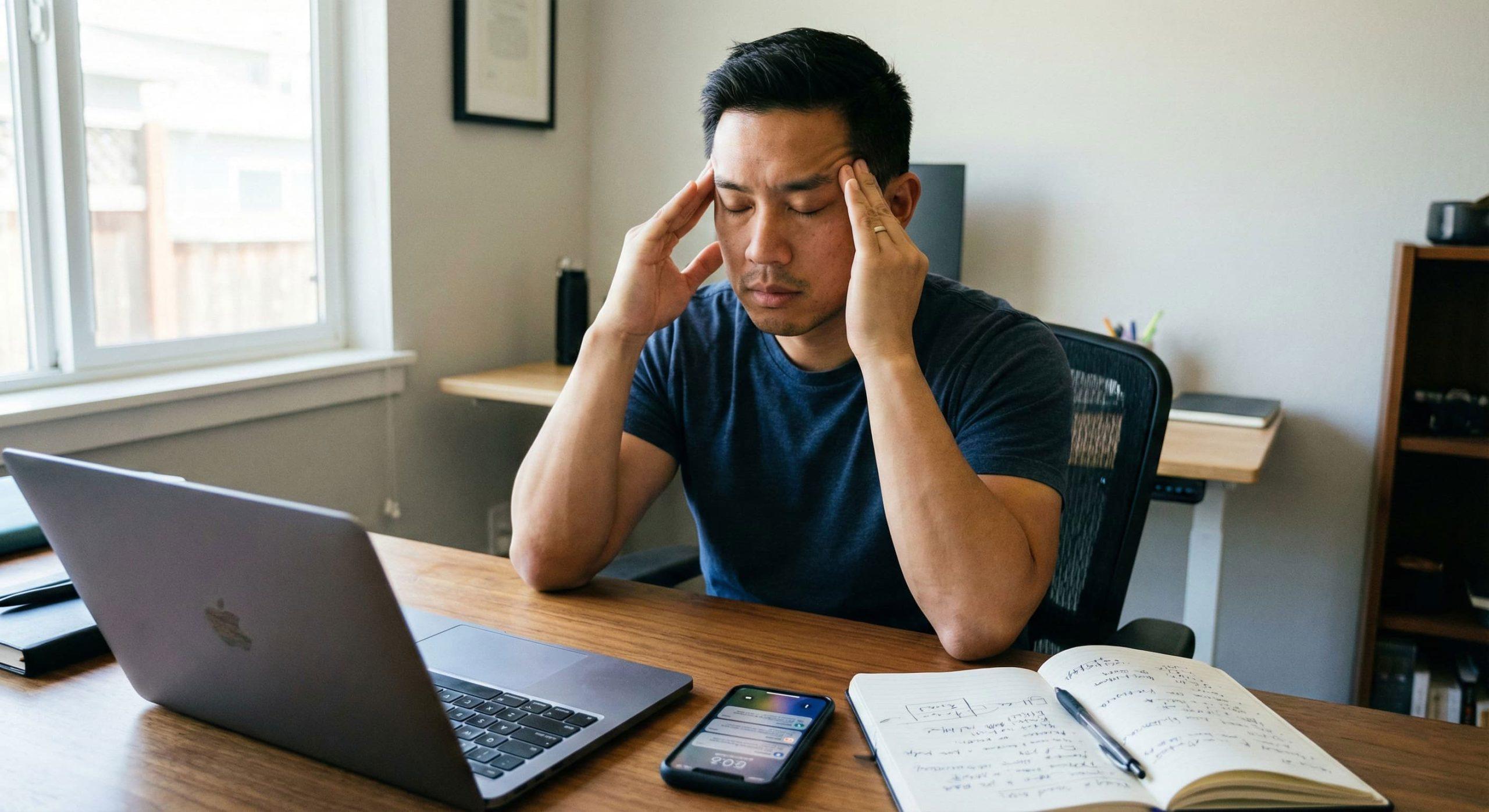
Stress is a natural part of life, yet many people struggle silently with how to manage it. You may feel pressure from work, relationships, finances, or ongoing life changes—and at some point, it’s natural to ask yourself, “how do you handle stress without becoming overwhelmed or burned out?”
As a therapist, I often see clients who are highly capable, thoughtful, and motivated, yet feel stuck in a cycle of tension and exhaustion. Stress isn’t a sign of weakness. It’s a signal from your body and mind that something needs attention, care, or adjustment.
Understanding What Stress Really Is
Stress is your nervous system’s response to perceived demands or threats. In small doses, it can help you stay alert and motivated. But when stress becomes chronic, the body remains in a constant state of activation. This can lead to anxiety, irritability, sleep problems, difficulty concentrating, and physical symptoms such as headaches or muscle tension.
Many people try to “push through” stress, believing rest or emotional support must be earned. Unfortunately, ignoring stress often amplifies it. Learning how to respond to stress early and consistently is key to protecting your mental health.
Why Stress Feels So Personal
People experience stress differently. What feels manageable for one person may feel overwhelming for another, depending on past experiences, personality, and current resources. Stress is also shaped by context—workplace culture, family expectations, social pressures, and experiences of exclusion or bullying all influence how stress is felt and processed.
This is why there is no single answer to “how do you handle stress.” Effective stress management is personal and evolves over time.
Listening to Your Stress Signals
Stress often shows up before we consciously recognize it. You might notice:
- constant fatigue even after rest
- feeling on edge or emotionally reactive
- difficulty relaxing or “turning off” your thoughts
- withdrawing from others
- physical discomfort without a clear cause
These are not failures—they are messages. Paying attention to them allows you to respond with care rather than self-criticism.

Healthy Ways to Respond to Stress
Rather than trying to eliminate stress entirely, the goal is to respond to it in ways that support your well-being. Some therapist-recommended strategies include:
Grounding the Body
Stress lives in the body as much as the mind. Gentle movement, deep breathing, stretching, or simply placing your feet firmly on the floor can help signal safety to your nervous system.
Creating Emotional Space
Taking short breaks, setting boundaries around work or technology, and allowing yourself moments of quiet can prevent stress from building to overwhelming levels.
Naming What You’re Carrying
Putting words to your stress—through journaling, talking with someone you trust, or therapy—helps reduce its intensity. Stress often feels heavier when it remains unspoken.
Choosing Compassion Over Control
Many people try to manage stress by becoming more rigid or self-critical. In reality, self-compassion helps regulate stress more effectively by reducing internal pressure.
When Stress Is Linked to Bullying or Harmful Environments
Stress becomes particularly complex when it is tied to ongoing mistreatment, such as bullying or exclusion. In these situations, stress is not just internal—it is a response to a real external threat.
Learning healthy ways to cope with stress from bullying can help you protect your emotional wellbeing while navigating difficult environments. This may include boundary-setting, documenting incidents, seeking support, and addressing the emotional impact of repeated harm.
It’s important to remember that stress caused by bullying is not a personal weakness—it’s a normal response to ongoing pressure and lack of safety.

Knowing When to Seek Support
Stress doesn’t have to reach a breaking point before you ask for help. In fact, early support often prevents long-term emotional and physical consequences. Many people benefit from exploring 5 places to turn to for stress, which may include trusted people, professional resources, or structured forms of support.
Reaching out can feel uncomfortable, especially if you’re used to handling everything on your own. But support is not a failure—it’s a skill.
Building Long-Term Resilience
Handling stress isn’t about finding a quick fix. It’s about building a relationship with yourself that allows flexibility, awareness, and care. Over time, healthy stress management can help you feel more emotionally regulated, recover more quickly from setbacks, and maintain clearer boundaries.
When clients ask me “how do you handle stress”? I often remind them that the answer changes depending on the season of life. What matters is staying curious, compassionate, and open to support.
A Gentle Invitation
If stress has been quietly shaping your days, affecting your sleep, focus, or sense of ease, you don’t have to carry it alone. Therapy provides a supportive and confidential space to explore what’s driving your stress, understand your emotional responses, and develop coping strategies that truly fit your life.
Whether your stress is connected to work, relationships, bullying, or long-standing pressure to “hold it together,” speaking with a therapist can help you feel more grounded, supported, and in control again. If you’re ready to talk, reach out today—support is available, and you deserve it.